
The leaves of the oleander do not turn brown solely due to a lack of water, contrary to a widely held belief. An excess of watering or poorly drained soil also leads to this symptom in the height of summer. Some varieties poorly tolerate sudden temperature fluctuations, which exacerbates the drying of the foliage even in the absence of drought. The appearance of brown spots and dry areas sometimes results from environmental stress, a pest attack, or a mineral deficiency. A precise diagnosis is necessary before any intervention to avoid worsening the situation.
Brown and dry leaves on the oleander: what it reveals about your plant’s health
The oleander, this Mediterranean emblem, does not cope well with excesses, even under the sun. When the leaves turn brown and dry out, it should be seen as a genuine alarm signal. Too compact a substrate, thirsty air, scorching drafts, excessive heat: the problem goes well beyond a simple watering issue. In pots as well as in the garden, roots quickly suffocate when drainage is lacking and, ironically, it is not the lack of water but its excess that drowns the plant.
Further reading : Everything You Need to Know About the Costs and Expenses of a Second Home Before Investing
Summer does not spare oleanders exposed to full sun or poorly nourished: as soon as mineral reserves dwindle, the foliage weakens, leaving the door open to invasions. Aphids, mealybugs, or diseases then leave their mark on the Nerium oleander, accelerating the cascade of yellow or dull leaves, visible symptoms of overall distress.
Before tinkering with random solutions, take the time to observe every detail and, to know what to do if the oleander leaves turn brown, inspect the roots, substrate, and foliage. Soil soaked with water? Softening roots? Or, conversely, dusty soil and stagnant branches? Each clue illuminates the way forward. By alternating water supplies, monitoring the appearance of pests, and maintaining a living soil, we give this vibrant shrub every chance to thrive, whether it brightens a flowerbed or a terrace.
Recommended read : The price of Swiss cigarettes in euros in 2026: what to expect?
How to identify the true cause: heat, watering, or disease?
It is essential to learn to read the alerts from the oleander. In the face of brown leaves, a careful examination is necessary: start by looking under the leaves. A yellow then brown coloration, a cardboard-like consistency often indicates an excess of water, especially if the substrate smells musty and the roots appear wilted. Repeated watering, combined with a lack of drainage, quickly leads to this deadlock.
If, on the contrary, the surface of the soil cracks, and growth halts, it is heat and lack of water that take precedence. The edges of the leaves dry out, curl, and the plant’s vitality seems suspended.
Additionally, there is the threat of pests. Mealybugs, aphids, sooty mold: each invader leaves a recognizable signature. Cottony masses, black spots, sticky secretions reveal their passage, especially on an already weakened plant. To avoid confusion, it is better to establish concrete markers.
Here’s how to differentiate between the various scenarios:
- Soggy soil, softened roots: excessive watering or poor drainage are strongly suspected.
- Dry soil, halted growth, leaves curling: drought and heat emerge as the main causes.
- Presence of insects and suspicious traces: a pest attack is underway.
Methodical observation allows for action at the first signs of doubt and prevents the oleander from deteriorating too quickly.
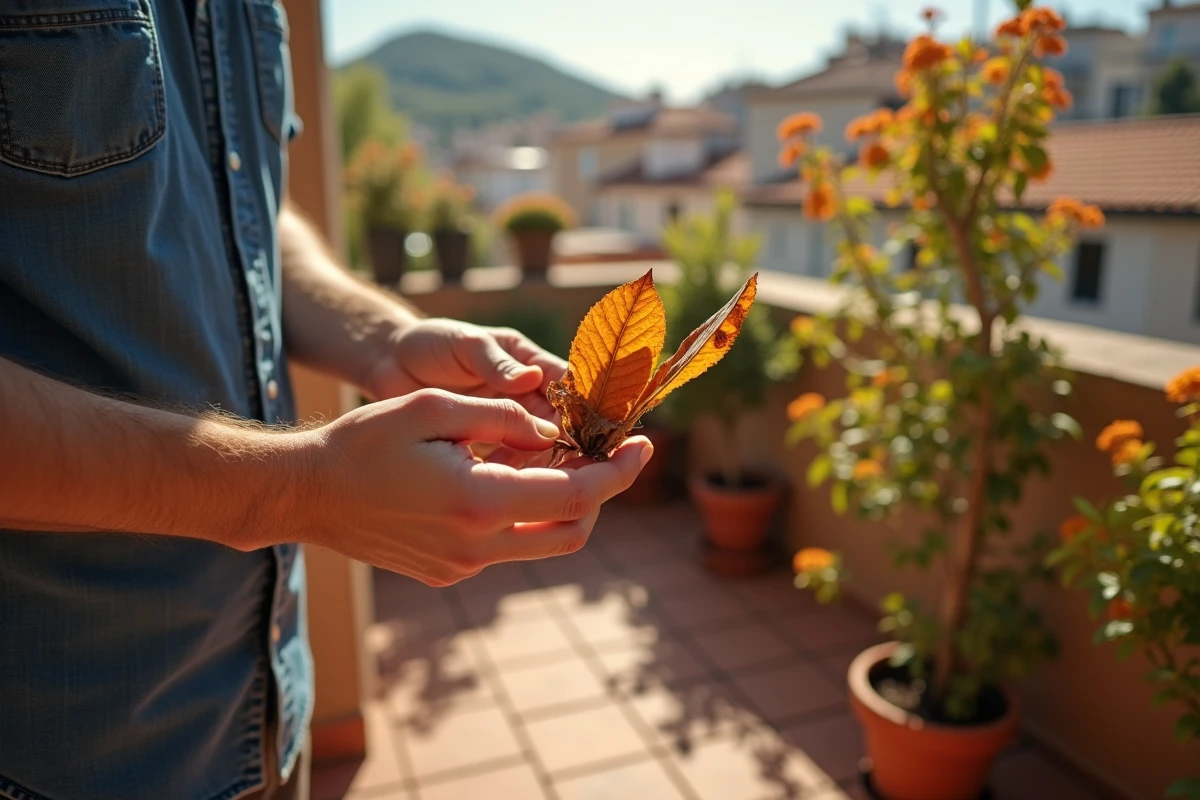
Easy tips to care for and protect your oleander, even in frost
To give a troubled oleander a fresh start, it all begins with water: prioritize spaced but generous watering, always when the substrate has dried on the surface. Prefer to water early in the morning and ensure good drainage, especially in pots. Excess water causes more damage than drought in the long run; a pot with drainage holes and light soil are the priorities to banish root rot.
A weakened oleander also requires some pruning. Trim damaged branches after flowering, clean the tools thoroughly, and use a complete fertilizer to restore reserves. If the root ball overflows, repotting finally allows the roots to breathe and start anew.
Combatting unwanted pests becomes more effective with a preparation of black soap sprayed on the foliage: aphids and mealybugs hardly resist it. Always watch for signs of these visitors returning: dark spots or sticky surfaces should be treated without delay.
And if winter promises to be harsh, adapt the protections: a thick mulch protects in open ground, a winter cover shields against cold snaps, while potted plants have everything to gain by leaving exposed areas. Sometimes, repotting in spring will be necessary to repair roots damaged by frost.
The oleander faces challenges with courage. Under attentive care and some wise treatments, it almost always rebounds, ready to display its vibrant flowers and remind us, every summer, of the unsuspected strength of Mediterranean nature.