
A simple click, and sometimes an entire life trajectory shifts. Imagine for a moment: a discreet application, housed on a smartphone, that detects a heart problem before worry even creeps in. Digital technology infiltrates everywhere, silent but decisive, weaving new connections between caregivers and patients without ever making a sound.
Forget useless trinkets: these digital devices settle into homes, reassuring yesterday’s skeptics and making health prevention more direct, more human. Diagnostics become more responsive, recommendations adjust to each individual, and preventive medicine knows no boundaries or hours.
Related reading : Digital solutions to simplify childcare search
Digital technology, a new ally in health prevention: current state and challenges
In France, the health system is undergoing a profound transformation driven by digital technology. The rise of health data and the proliferation of digital tools are revolutionizing prevention:
- tailored support,
- upstream detection,
- reliable and updated information.
Now, patients take the lead, and health professionals adjust their approach. Regional agencies, supported by the health digital agency, are building an architecture where data flows, enlightens, and alerts when necessary.
Further reading : Teaching and Digital: Solutions to Save Time
The Health Data Hub, a national cornerstone, collects and protects information from all sources: hospitals, laboratories, mobile apps. Thanks to this interconnection, research accelerates, epidemiological monitoring becomes more refined, and each patient journey is individualized. Driven by the Ministry of Economy and Finance, open data gives rise to a wave of innovations:
- risk simulators,
- personalized tracking tools,
- dynamic health issue mapping based on geography.
Gradually, these digital platforms reach the entire population, erasing certain social and territorial boundaries. Connected information systems facilitate collaboration among practitioners and provide unprecedented responsiveness in the face of health crises.
The Health of Pharamond perfectly embodies this trend: digitized screening programs, interactive educational modules, tailored support. For those wanting to delve deeper into prevention strategies, a detour through How does Pharamond Health approach health prevention? – Le Petit Castor is essential.
But in this new field, challenges abound: ensuring confidentiality, combating the digital divide, keeping skills up to date. The European Union is tackling the task, seeking a balance between harmonization and innovation to build the health of tomorrow.
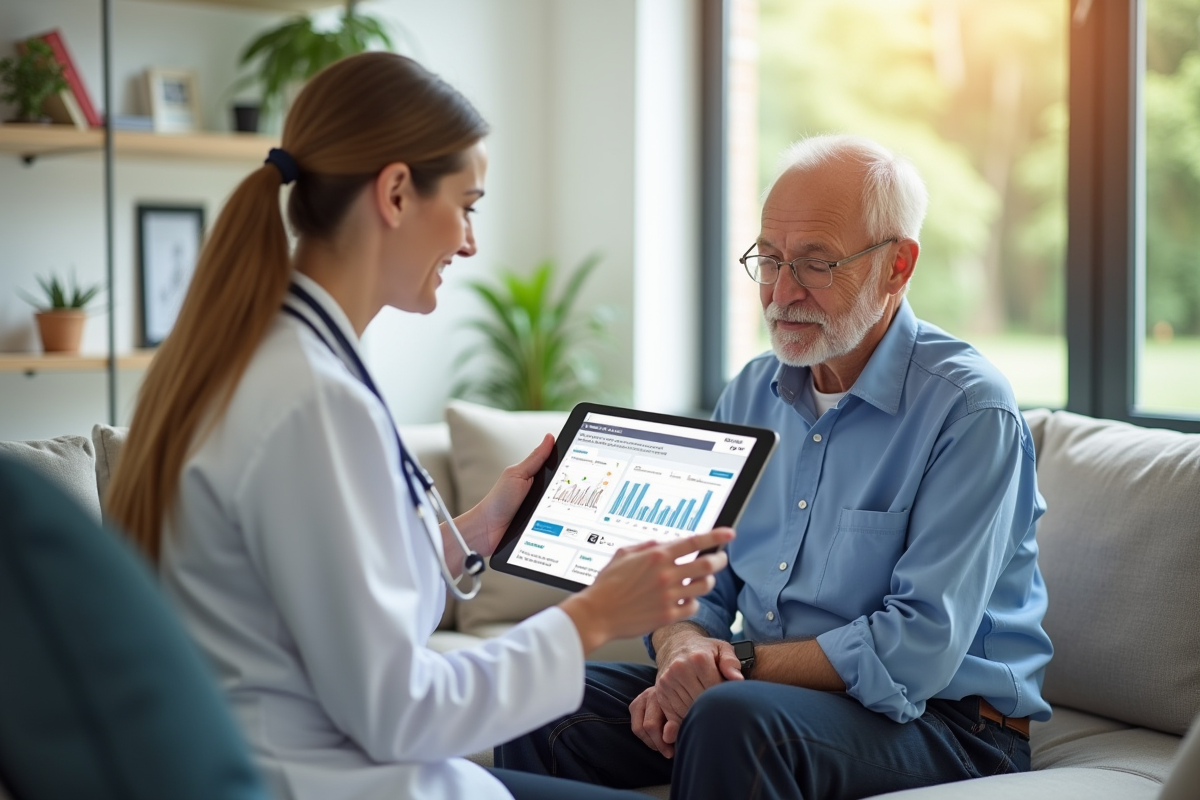
From mobile applications to collaborative platforms: a look at initiatives that make a difference
In health prevention, the digital revolution is not limited to promises: it manifests in tangible tools that bring together patients, caregivers, and researchers. Mobile applications have become everyday companions for managing chronic diseases:
- daily management of diabetes,
- precise reminders for treatments,
- custom alerts for heart failure.
This remote monitoring reduces the risk of complications, restores autonomy to patients, and simplifies exchanges with medical teams.
Bordeaux does not do things by halves: a collaborative platform, supported by a dynamic associative network, promotes early detection of mental health issues. An accessible space for all, it offers resources, training, and directs individuals to the right contacts. In Paris, an experiment combines open source and shared medical records to open access to medical data, including for social actors.
- Prevention also extends to the social field: digital tools combat isolation, weave connections, and reinvent the notion of social ties.
- The World Health Organization encourages the sharing of experiences between countries, laying the groundwork for open and collaborative research.
Continuous training for health personnel adapts to these new uses: practices evolve, technology is tamed. Far from flashy gadgets, digital technology asserts itself as a driver of efficiency, equity, and renewed proximity.
The health landscape is being redrawn: tomorrow, it may be as simple to prevent as it is to send a message. The question remains whether we will seize this collective opportunity or if it will slip through our fingers as well.