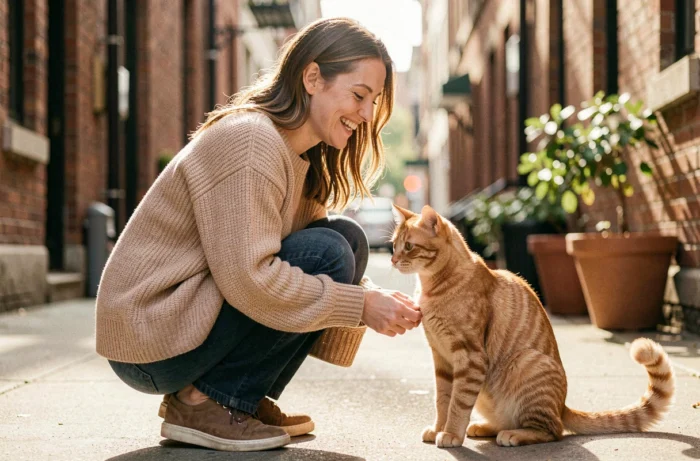
Adopting a dog, cat, or any other pet involves a commitment that lasts for several years. Even before taking the plunge, the way the transfer occurs – the moment when the animal changes homes – often determines the future of the cohabitation. News about the animal world in France regularly reminds us that hasty purchases, especially during fairs or special events, lead to abandonment or unanticipated health issues.
Reflection period before adoption: an obligation still poorly respected
Have you ever seen a puppy in a shop window or at a booth and felt the urge to take it home the same day? This is exactly the scenario that regulations aim to curb.
In France, a seven-day period must separate the reservation from the actual handover of the animal. This time allows the buyer to check their living conditions, consult a veterinarian, and ensure that the whole family is ready.
However, this period is regularly circumvented. Field surveys have highlighted violations during puppy and kitten fairs, where animals were handed over on-site, without respecting this reflection period.
Following recent news on Animal Passion helps stay informed on these topics that directly affect families looking for a companion.
Puppy fairs in France: what the regulations really allow
The confusion surrounding animal fairs stems from a regulatory distinction that few visitors are aware of. The sale of animals is prohibited at general fairs or exhibitions. Only events specifically dedicated to animals can offer them, and under specific conditions.
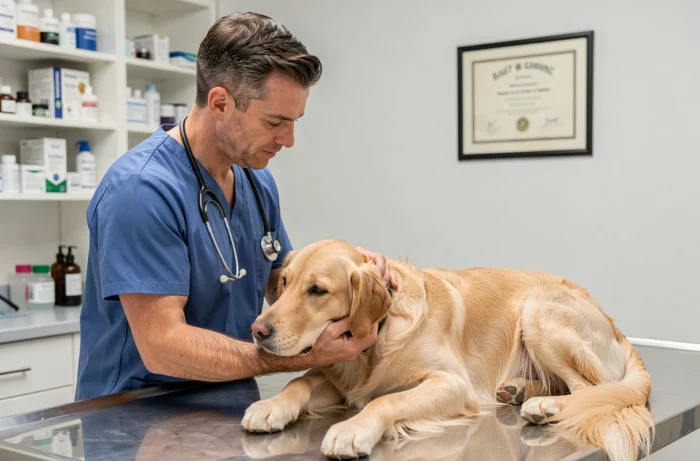
These conditions include a prior declaration to the authorities and adherence to strict health requirements. In practice, the line between a specialized fair and a disguised commercial event remains blurry for the general public.
The controversy does not only focus on the legal framework. It also targets practices observed on the ground:
- Puppies presented as early as the first weeks, before the legal age for transfer, in stressful transport and exhibition conditions
- Buyers leaving the same day with an animal, without the reflection period being respected
- Health documents that are sometimes incomplete or difficult to verify on-site, complicating subsequent veterinary follow-up
In light of these findings, calls for banning these events are multiplying. The topic regularly resurfaces in French animal news and fuels an ongoing debate about the protection of companion animals.
Animal identification and traceability: check before signing
Identification by microchip or tattoo is mandatory for dogs and cats in France. It is the foundation of all traceability: without it, it is impossible to find a lost animal or prove ownership.
Before any transfer, check that the animal is identified and that the number matches the certificate provided. This simple reflex protects both the buyer and the animal.
The national identification file (I-CAD) centralizes the data. When there is a change of ownership, the update must be done promptly. An animal not registered in this file after the transfer remains legally attached to the previous owner, which poses problems in case of loss or disputes.
Points to check during the transfer
- The identification certificate must mention the microchip or tattoo number, breed, date of birth, and the name of the transferor
- The veterinary certificate attests to the animal’s health status at the time of sale
- The information document on the animal’s needs and characteristics must be systematically provided, including for donations between individuals
- The update of the I-CAD file must be confirmed by the new owner within days of acquisition
An incomplete file at the time of transfer is a warning sign. It is better to postpone the acquisition than to leave with an animal whose administrative follow-up is not guaranteed.
Dog training and follow-up after adoption: often neglected steps
Adoption does not end with the signing of the contract. The first weeks in a new home largely determine the future behavior of the animal.
Why does this topic come up so often in animal advice? Because the majority of abandonments occur in the months following acquisition, often due to a lack of preparation or support.
For a dog, enlisting a professional dog trainer in the first weeks helps lay a solid foundation. Ensure that the chosen professional holds a recognized certification and offers follow-up over several sessions, not just a one-time intervention.
For a cat, adaptation involves a calm environment, stable reference points, and a veterinary visit within the first two weeks. Animal protection associations often recommend a confinement period in a single room before gradually opening access to the rest of the home.
What animal lovers are currently keeping an eye on
The news of the animal world in France is not limited to controversies. It also covers advances in welfare, new obligations for owners, and local initiatives for biodiversity protection.
Staying informed on these topics helps make more thoughtful decisions, whether it’s about choosing a companion, understanding your rights, or spotting practices to avoid. Media specializing in animal life regularly publish reports on adoption, identification, and daily cohabitation.
A passion for companion animals does not exempt one from vigilance. Every step, from the transfer to veterinary follow-up and education, deserves a verification time that neither enthusiasm nor emotion should shorten.