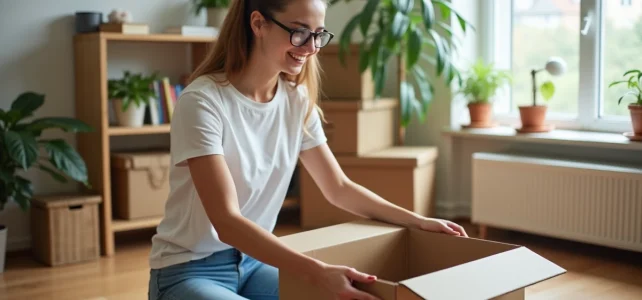
It is forbidden to burn your boxes in the garden or to stuff them anywhere: the recycling system in France does not take volumes or contamination lightly. Yet, how many Ikea boxes remain piled up, unused, when a simple gesture would be enough to put them back into circulation? The guidelines vary from one municipality to another, but a few well-chosen habits can change the game. Here’s how to prevent these sturdy packages from becoming a burden, for you and for the planet.
Why recycling your Ikea moving boxes changes everything
Recycling Ikea moving boxes goes beyond ecology. Their robust design, intended to support heavy loads, makes them much more than just disposable packaging. Once emptied, they become true allies for smart home organization. Rather than viewing them as waste, we can give them a second life: archiving, organizing laundry, storing seasonal items—the possibilities are endless.
Read also : Visual acuity 5/10: understanding what it means for your vision
Their recycling, when reuse is no longer possible, requires a minimum of method. Flatten the boxes, remove tape and residues, and above all, aim for the right recycling stream. This seemingly mundane gesture structures a responsible resource management and limits pressure on raw materials.
Adopting these practices is also about collective effort. Families, roommates, neighbors: everyone can easily integrate reuse or sorting into their habits. An empty box should never end up in the trash without thought: it can still be used to optimize space, organize a workshop, protect equipment, or house finds from an attic.
You may also like : Optimize Your Inbox: Practical Tips and Trendy Tools
To expand your palette of ideas, check out these tips for recycling Ikea moving boxes. The reliability of Ikea boxes does the rest: with a few adjustments, they fit into a more sober, coherent, and environmentally friendly daily life.
What simple tips can give your boxes a second life?
After transporting your items, Ikea boxes can still be useful. Their solid structure and practical size make them valuable for optimizing space in the home. But before reusing them, there are a few steps to follow: carefully flatten each box, remove all adhesives, eliminate plastic films and other residues. This preparation ensures clean and effective reuse.
Here are several concrete ways to extend the life of your boxes:
- Transform them into storage solutions: off-season clothes, toys, tools, or party decorations can find their place in these sturdy boxes.
- Protect fragile items during renovations or temporary storage.
- Donate boxes in good condition to charities, the town hall, through sharing platforms, or simply to your neighbors.
- Cut them up to make file dividers, craft supports, or even children’s playhouses and shelters for pets.
When a box is too damaged to be reused, it’s time for selective collection: take it to a recycling center or the yellow bin, according to local guidelines. Some specialized companies can also take back large volumes. The whole family can participate: everyone folds, sorts, and transports, establishing a collective reflex. One piece of advice: there’s no need to use chemical products to clean your boxes before recycling; a dry cloth will suffice.
The Ikea box, through its use and longevity, connects the home to a logic of circular economy. It’s no longer about throwing away, but about transforming, reusing, and reinventing for a more rational and responsible daily life.
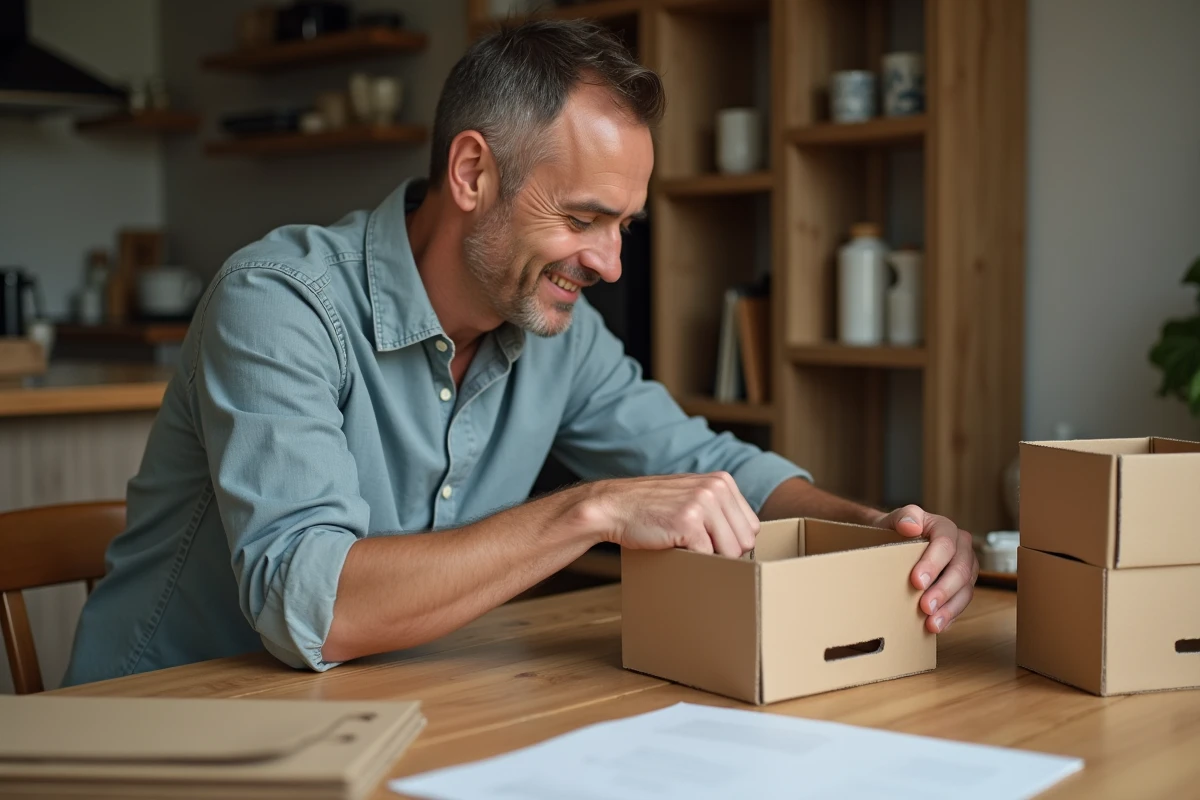
Creative and responsible ideas for using the right boxes during your next move
Choosing boxes for moving is not just a matter of strength. Ikea boxes, with their well-studied format and sturdiness, multiply their uses. Optimizing space means adapting the size of the box to its contents: small boxes for heavy items, large volumes for laundry or bulky accessories.
A methodical preparation makes each step easier: label each box, sort them according to destination rooms, and adapt the sizes to the nature of the goods. The boxes then serve as dividers for dishes, protection for fragile items, or even temporary sorting boxes during the move.
Some go further by transforming boxes into supports for creative projects: children’s playhouses, improvised furniture, panels for organizing tasks to be done. References like Marie Kondo or Katie Holdeferh share tutorials to structure your space and imagine new uses without wasting.
Once the move is over, think about storage: a well-folded box can slip into the garage, basement, or attic, ready to serve the next time. And for the more inventive, there’s always the possibility of creating a decorative object, a photo frame, or a garland. The box is reinvented, fitting into a dynamic of sobriety and sustainability. In the end, each Ikea box carried to the end of its potential tells a story of simple actions that weigh heavily in the balance of daily life.