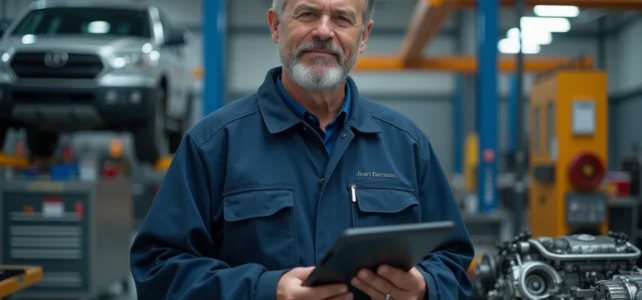
The automotive mechanics sector is going through a phase where technological disruptions overlap with regulatory constraints and skill shortages. For professionals already grappling with these changes, we identify three priority monitoring areas for the coming months: AI-assisted diagnostics, high-voltage system management in workshops, and the digitalization of the supply chain.
Automotive Diagnostics and Generative AI: What’s Changing in the Workshop
Generative AI is no longer limited to report writing or document research. We observe its direct integration into diagnostic processes, particularly for addressing intermittent faults in electric and hybrid vehicles. Current tools cross-reference maintenance history, manufacturer fault codes, and field feedback to propose dynamic fault trees tailored to the vehicle on the lift.
See also : Everything You Need to Know About Salary and Holiday Leave Recovery in CCN 51
The tangible benefit for a workshop lies in reducing the time spent searching for manufacturer procedures. Instead of navigating multiple technical databases, the technician receives a contextualized summary that prioritizes fault hypotheses. This does not replace the mechanic’s expertise but accelerates the investigation phase on multiplexed architectures where interactions between control units complicate diagnostics.
Professionals following news on actumecanique have been able to gauge the acceleration of these deployments among several manufacturers and equipment suppliers. Remote reprogramming (OTA) also generates new challenges: a vehicle may exhibit different behavior after a software update that is not documented in the workshop database. Generative AI helps identify these discrepancies by comparing known firmware versions to reported symptoms.
Read also : Current Affairs Unpacked: Follow the Trends and News That Matter Today
High Voltage Training and Safety Protocols in Mechanical Workshops
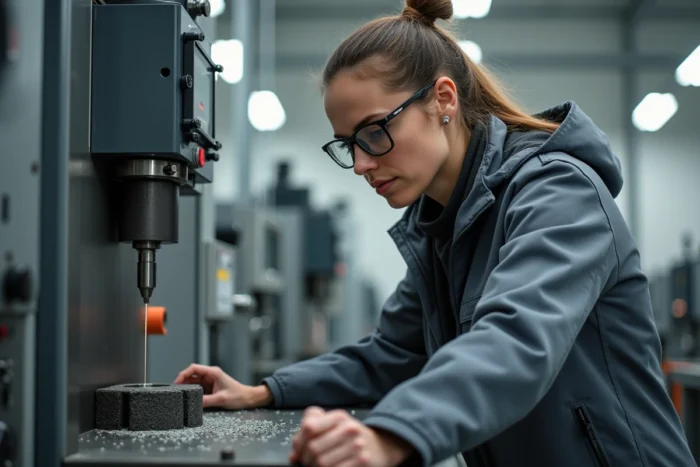
Skill development on high-voltage systems is the main bottleneck for repair networks. The fleet of electric and plug-in hybrid vehicles is growing faster than the number of technicians qualified to work on them. Electrical certifications B2VL, B2TL, and BCL are not mere administrative formalities: they condition physical access to components under the hood and under the floor.
We observe a gap between the initial training provided in schools and the realities of the workshop. Lockout protocols for lithium-ion batteries vary by manufacturer, and insulation measurement tools are not always compatible from one brand to another. A technician trained on a 400 V architecture must retrain to work on 800 V platforms, where risks and procedures differ significantly.
Critical Points for Independent Garages
Manufacturer networks benefit from privileged access to training and proprietary tools. For an independent garage, the situation is more strained. Three constraints accumulate:
- The cost of personal protective equipment and certified insulated tools, which represents a heavy investment relative to the volume of high-voltage interventions performed
- Access to manufacturer technical data, still uneven despite European regulatory obligations on access to repair information
- The availability of specific parts for electric powertrains, with longer supply times than for conventional thermal components
A garage that does not take this turn risks losing an increasing share of its business as the vehicle fleet transforms.
Mechanical Supply Chain and Digital Traceability
The digitalization of the automotive supply chain now affects tier 2 and 3 subcontractors, not just major equipment suppliers. Component traceability is becoming a contractual prerequisite, driven by the requirements of the digital battery passport and the environmental compliance standards in force in the European Union.
For a workshop or parts distributor, this translates into more structured electronic catalogs, but also into increased complexity in managing references. The same component may exist in several versions depending on the vehicle’s software version. ERP systems tailored to the automotive sector now integrate these parameters to avoid ordering errors.
Regulatory Compliance and Technical Data
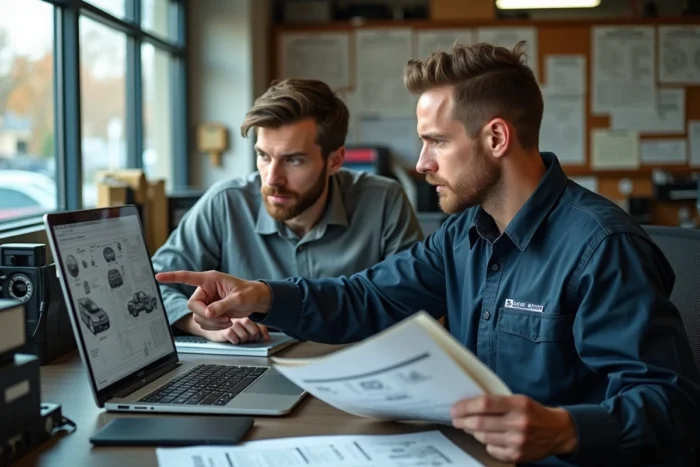
The tightening of regulations does not only concern manufacturers. Repair workshops are gradually being subjected to reporting obligations on replaced parts, their origin, and their compatibility with vehicle homologation standards. The used automotive parts market is structuring itself around these requirements, with platforms that integrate compliance verification directly into the sales process.
Professionals in mechanics who anticipate these changes gain competitiveness. The ability to provide a traceable history of interventions and parts used becomes a selling point, particularly in the used vehicle market where technical transparency reassures the buyer.
Mobility and Evolution of the Automotive Service Market
The economic model of workshops is evolving under the combined effect of longer maintenance intervals on electric vehicles and the increasing complexity of remaining interventions. Fewer routine operations (oil changes, clutches, exhausts), but more technical and better-valued interventions on battery thermal management systems, regenerative brakes, or software updates.
We recommend that professionals rethink their pricing structure based on this evolution. Value added is shifting from the volume of interventions to technical expertise per intervention. A workshop capable of diagnosing a battery cell fault or recalibrating an ADAS system after a windshield replacement positions itself in high-margin niches, where competition from general auto centers remains low.
- Advanced software diagnostics (ECU reprogramming, ADAS camera calibration) represent a growth relay for equipped garages
- Preventive maintenance contracts on corporate electric fleets represent an expanding segment, with tracking needs different from thermal vehicles
- The partial retraining of workstations (from thermal to electric) allows for a smooth transition without stopping existing activities
Automotive mechanics remains a sector where technique prevails. Current trends reward professionals who invest in continuous training, appropriate tooling, and regulatory monitoring, well before those who wait for the market to catch up with them.